
Speed, Structure, and Capital in Maritime Digitalization
Faster tools shift maritime digitalization from building speed to structural clarity and disciplined capital allocation.

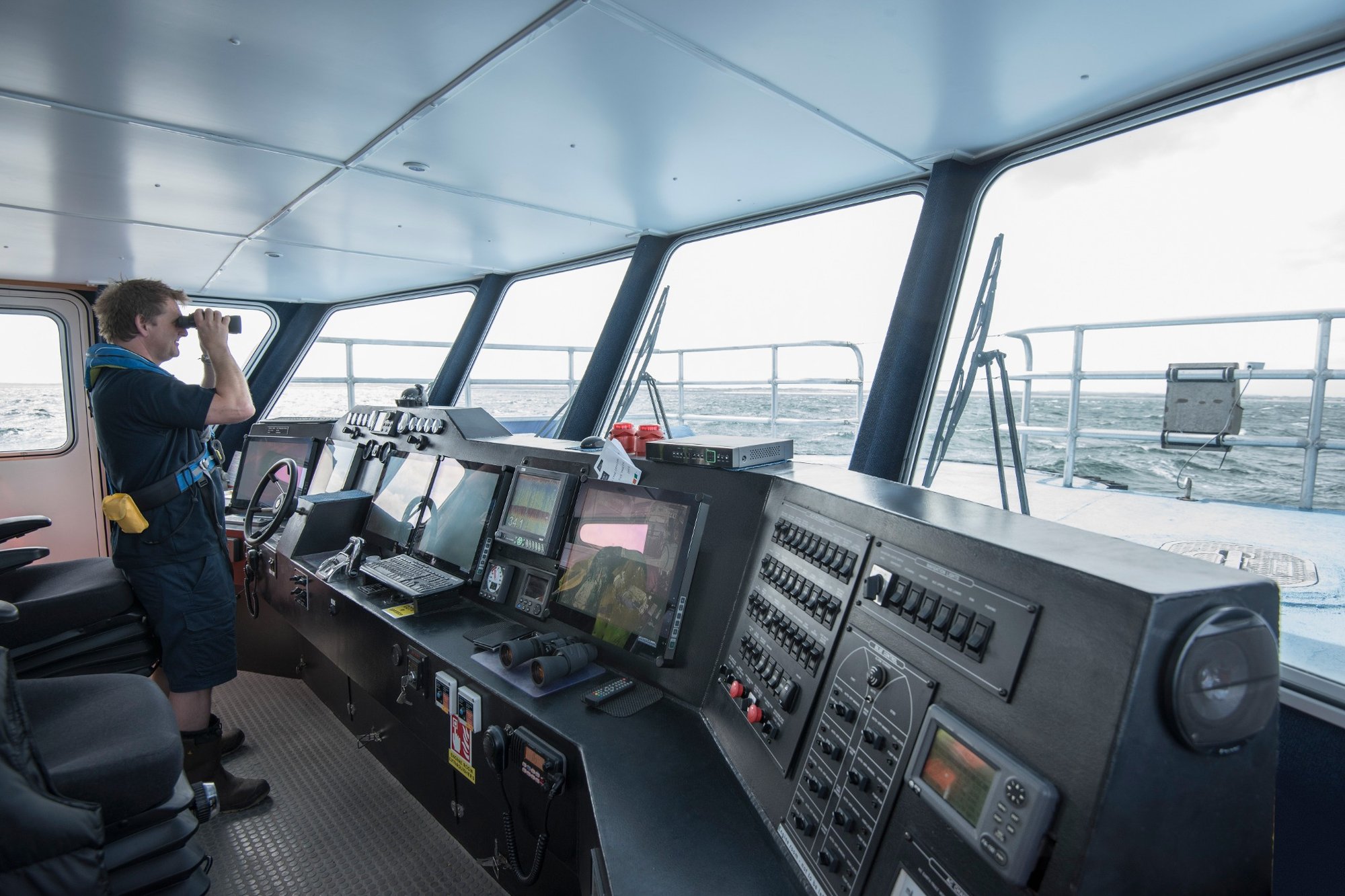
Maritime operations are tightly coupled systems.
A vessel’s performance depends on the coordination of crewing, maintenance, procurement, chartering, compliance, fuel management, safety reporting, and finance. These functions are interdependent. A change in one area affects the others. Maritime software has often evolved differently.
Over the past decade, digitalisation in shipping and offshore has been incremental. New systems addressed specific problems such as planned maintenance, crew management, voyage optimisation, procurement, reporting. Integration was frequently handled through exports, middleware, or manual reconciliation.
This reflected the economics of the time. Software was expensive to build. Engineering capacity was limited. An Agile mindset encouraged iteration and gradual improvement rather than structural redesign.
In this environment, some architectural looseness has been tolerable. But, that tolerance is shrinking. AI is accelerating development cycles and lowering the cost of building internal tools. Prototypes, automations, and data connections can be created in weeks rather than months. This changes the constraint.
As building becomes easier, the bottleneck is in decision making quality.
Digitalisation is no longer limited by how fast teams can build. It is limited by how clearly organisations understand their own operations.
At the same time, capital discipline is tightening up. Boards and owners expect measurable operational impact. Users are less tolerant of constant system changes. Digital initiatives are evaluated more quickly and more directly against performance.
Faster execution shortens the distance between decision and consequence.
This is not only a technology shift. It is a Capital Allocation shift.
Markets allocate capital toward clarity. And Capital requires structure which can be found in defined workflows, defined ownership, defined return. In previous cycles, there was more slack between experimentation and accountability. Systems could evolve gradually. Now feedback loops are shorter. If a digital initiative does not integrate cleanly into operations, its weaknesses become visible quickly. And capital reallocates accordingly. In maritime and offshore environments, this exposure is immediate.
A vessel approaching port state control cannot rely on informal reconciliation between systems. Charter party performance reporting must align with operational logs. Maintenance records must match inventory usage. Fuel reporting must reconcile with voyage data. Insurance and class documentation must be consistent across platforms.
When tools can be built rapidly, inconsistencies in domain logic reveal themselves much sooner. If maintenance codes differ across systems, then reporting issues appear immediately. If compliance approval responsibilities are unclear, automation simply reveals that gap. If procurement and maintenance data models are misaligned, then discrepancies come up during audit.
Acceleration does not remove structural weakness. It reveals it.
Where domain structure is explicit and coherent, faster tooling strengthens the system. Where domain structure is implicit and fragmented, faster tooling increases fragility. And this affects both operators and software providers.
Operators now have more options. They can internalize parts of the intelligence layer. They can formalize operational logic more directly. They can reconsider reliance on loosely integrated stacks of applications.
Software providers face a different test. Differentiation shifts from feature sophistication to structural integrity. Data models, integration boundaries, and alignment with real operational workflows become more important than demonstration capacity.
Iteration still matters. Just as an experimental mindset remains useful in complex environments. But in tightly coupled industries such as maritime and offshore, iteration must sit on top of a coherent structure.
The advantage is no longer speed alone. It is structured understanding.
As AI lowers the cost of building, the tolerance for ambiguity declines too. Capital moves faster toward systems that show measurable operational alignment.
The organisations that benefit most from accelerated digital capability will not necessarily be those that build the quickest.
They will be those that define their operational logic clearly enough that faster capital allocation reinforces stability instead of amplifying fragmentation.
Dimitris Galantis has over a decade of experience in offshore energy and maritime operations, bridging hands-on industry knowledge with digital transformation and AI adoption. He is the co-founder and director of Intoolecta, a consulting firm focused on strategy, technology, and workforce solutions.
Ready to build what works
Let's talk about your operation and where structure can make the difference.
